



After completing B.Com, you have several options for further studies and career development. You can pursue an MBA or M.Com, prepare for professional qualifications such as CA or ACCA, or take specialised courses in finance, taxation and business analytics.
The right choice depends on your career interests, the skills you want to develop and the type of role you want to pursue.
What to Do After B.Com?
| Study Option | Courses | Career Areas |
|---|---|---|
| Postgraduate degrees | MBA, M.Com | Management, Finance, Accounting |
| Professional qualifications | CA, CS, CMA, ACCA | Accounting, Auditing, Taxation, Compliance |
| Finance certifications | CFA, Financial Modelling | Investment, Financial Analysis, Financial Planning |
| Analytics courses | Business Analytics, Data Analytics | Business Intelligence, Data Analysis, Reporting |
| Banking courses | Banking Certifications, Financial Risk Management | Banking, Risk Management, Financial Services |
Professional Courses After B.Com
1. Chartered Accountancy (CA)
Focus: Accounting, Auditing and Taxation- Main subjects: Financial Accounting, Taxation, Auditing, Financial Management and Business Laws
- Career paths: Chartered Accountant, Auditor, Tax Consultant, Financial Analyst
- Entry after B.Com: ICAI Direct Entry Route to CA Intermediate, subject to prescribed eligibility criteria
2. Company Secretary (CS)
Focus: Corporate Law and Compliance- Main subjects: Company Law, Corporate Governance, Securities Laws and Compliance
- Career paths: Company Secretary, Compliance Officer, Corporate Governance Executive
- Entry after B.Com: Check ICSI’s applicable graduate entry and CSEET exemption requirements
3. Cost and Management Accountancy (CMA)
Focus: Cost Accounting and Financial Management- Main subjects: Cost Accounting, Budgeting, Financial Management and Performance Management
- Career paths: Cost Accountant, Management Accountant, Cost Analyst, Budget Analyst
- Entry after B.Com: Check the applicable ICMAI admission requirements
4. Association of Chartered Certified Accountants (ACCA)
Focus: International Accounting and Finance- Main subjects: Financial Reporting, Audit, Taxation, Performance Management and Business Strategy
- Career paths: Financial Accountant, Audit Associate, Financial Analyst, Management Accountant
- Exemptions after B.Com: Depend on your university, degree and subjects completed
5. US Certified Management Accountant (US CMA)
Focus: Management Accounting and Financial Planning- Main subjects: Financial Planning, Performance Management, Cost Management and Internal Controls
- Career paths: Management Accountant, FP&A Analyst, Finance Analyst
- Eligibility: Subject to the applicable examination, education and work experience requirements
Postgraduate Courses After B.Com
Online MBA and Online M.Com After B.Com
| Details | Online MBA After B.Com | Online M.Com After B.Com |
|---|---|---|
| Programme focus | Business management, leadership, strategic decision-making and organisational operations | Advanced commerce, accounting, financial management and related subjects |
| Specialisations | Finance, Marketing, Human Resources, Business Analytics, Data Science, IT, Information Systems, Operations and International Business. Availability varies by university. | General, Financial Management and Fintech |
| University options | SVKM’s NMIMS, DY Patil University, Manipal University Jaipur, Sikkim Manipal University, Amity University Online, Lovely Professional University, Chandigarh University, Bharati Vidyapeeth University, Jain University and GLA University | Sikkim Manipal University and Amity University Online |
| Programme fee range | ₹1,03,000–₹2,20,000 | ₹79,000–₹1,20,000 |
| Examples of study areas | Marketing strategy, financial management, human resources, business analytics and operations management | Accounting, financial management, commerce and fintech |
| Career areas | Business management, finance, marketing, HR, operations and business analytics | Accounting, financial services, taxation, banking and financial analysis |
| Programme details | Explore Online MBA programmes | Explore Online M.Com programmes |
Online MBA vs Online M.Com: Which Should You Choose?
| Comparison Factor | Online MBA | Online M.Com |
|---|---|---|
| Primary focus | Business management, organisational strategy, leadership and business operations | Commerce, accounting, financial management and taxation |
| Learning approach | Applies business concepts to management, strategic planning, decision-making and organisational challenges | Develops advanced knowledge of commerce, accounting principles, financial systems and related subjects |
| Key study areas | Finance, Marketing, Human Resources, Business Analytics, Operations and International Business | Accounting, Corporate Finance, Financial Management, Taxation and Fintech |
| Career opportunities | Business management, marketing, human resources, operations, financial management and business analysis | Accounting, financial analysis, taxation, banking, financial services and academic pathways |
| Suitable for graduates | Want to develop management and leadership capabilities or pursue roles across different business functions | Want to deepen their subject knowledge in commerce, accounting and finance or specialise in related fields |
Short Courses & Certifications After B.Com
| Course Area | Skills Covered | Related Career Roles |
|---|---|---|
| Financial Modelling | Financial statements, forecasting, budgeting and valuation. Related programme: Online Diploma in Finance Management. | Financial Analyst, Financial Modelling Analyst |
| Business Analytics | Business reporting, data interpretation and decision-making. | Business Analyst, Business Reporting Analyst |
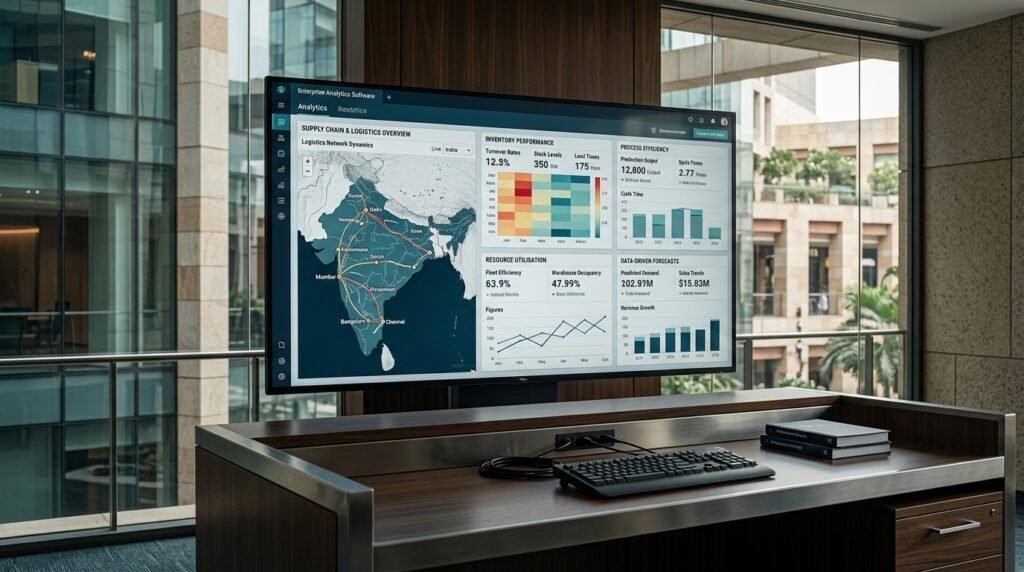
| Data Analytics | Data handling, analysis and visualisation. | Data Analyst, Junior Data Analyst |
| GST & Taxation | GST returns, tax calculations and compliance procedures. | Tax Assistant, GST Executive |
| Advanced Excel | Spreadsheet management, formulas, data analysis and reporting. | Accounts Executive, MIS Executive |
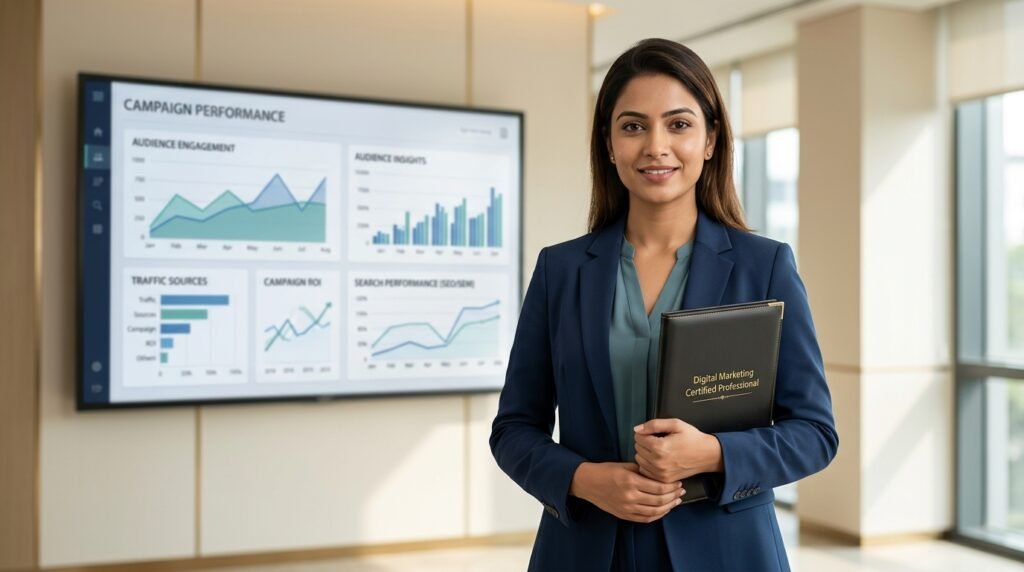
| Digital Marketing | SEO, paid advertising, content marketing and campaign analysis. Explore the Online Digital Marketing Certification and Online Diploma in Marketing Management. | Digital Marketing Executive, SEO Executive |
Courses After B.Com by Career Goal
| Career Interest | Courses to Consider |
|---|---|
| Accounting and Auditing | CA, ACCA, CMA |
| Finance and Investment | MBA in Finance, M.Com, CFA |
| Banking and Financial Services | Banking Certifications, FRM, MBA in Finance |
| Management and Leadership | MBA |
| Taxation | CA, CMA, Taxation Certifications |
| Corporate Law and Compliance | CS |
| Data and Business Analytics | Business Analytics, Data Analytics |
| Teaching and Research | M.Com, followed by the required eligibility route for academic positions |
Choosing the Right Course After B.Com
1. Career Opportunities
Identify the field you want to enter or specialise in. For example, CA and ACCA are relevant to accounting, while an MBA can support career paths in management, finance, marketing and other business functions.
2. Admission Eligibility
Check the minimum graduation marks, accepted degree duration, subject requirements and entrance exams. If you are considering a professional qualification, review its specific registration and examination criteria.
3. Course Fees and Duration
Compare the complete programme fee, duration, semester structure and examination costs. For professional qualifications, also account for registration, examination and preparation expenses.
4. Subjects and Specialisations
Review the actual syllabus before enrolling. Check whether the programme covers subjects relevant to your interests, such as financial management, taxation, accounting, business analytics or marketing.
5. University Recognition
For online postgraduate degrees, verify the university’s UGC-DEB entitlement for the specific programme and academic session. Do not rely on the university’s general recognition alone.
6. Study Format
Consider whether you can manage regular classroom attendance or need the flexibility of online learning. If you are working or preparing for professional examinations, compare class schedules, recorded lectures and assessment requirements.
Keep your admission documents ready
If you plan to apply for a postgraduate programme, keep your graduation marksheets and academic records available. If the university asks for your percentage instead of CGPA, use the CGPA to Percentage Calculator and follow the conversion formula prescribed by your university.
Choose Your Next Step After B.Com
After B.Com, your options include postgraduate degrees such as MBA and M.Com, professional qualifications such as CA, ACCA and CMA, and specialised courses in areas like financial modelling, taxation and business analytics.
The right choice depends on the field you want to pursue, your eligibility, budget and the time you can commit to further studies. If you are considering an online MBA or M.Com, compare the available programmes, fees, specialisations and admission requirements before applying.
Frequently Asked Questions
1. Which course is best after B.Com in India?
There is no single best course for every B.Com graduate. An MBA suits those interested in management and business functions, while M.Com is suitable for advanced studies in commerce and finance. CA, ACCA and CMA are options for accounting and finance careers, while CS focuses on corporate law and compliance.
2. Can I pursue CA, ACCA or CMA after B.Com?
Yes. B.Com graduates can explore CA, ACCA and CMA, subject to each body’s entry requirements. Depending on your degree and subjects, you may qualify for exemptions or a particular entry route. Check the current requirements of ICAI, ACCA or ICMAI before registering. US CMA is another option, with separate examination, education and work-experience requirements.
3. Is an online MBA worth pursuing after B.Com?
An online MBA can be a suitable option if you want to study management while balancing work or other commitments. Available specialisations across universities include Finance, Marketing, Human Resources, Business Analytics and Operations. Compare the curriculum, fees, admission criteria and UGC-DEB entitlement for the specific programme before choosing a university.
4. Can I pursue an online M.Com after B.Com?
Yes. B.Com graduates can apply for online M.Com programmes, subject to the university’s eligibility criteria. Current options include Sikkim Manipal University and Amity University Online, with programme fees ranging from ₹79,000 to ₹1,20,000. Depending on the university, you can consider General, Financial Management or Fintech.
5. Which short-term courses can I take after B.Com?
You can consider courses in Financial Modelling, Business Analytics, Data Analytics, GST and Taxation, Advanced Excel or Digital Marketing. For example, Financial Modelling is relevant to financial analysis, while Advanced Excel can help develop spreadsheet and reporting skills. If you are interested in digital marketing, explore the Online Certification in Digital Marketing.